
Know what is included.
Your proposal sets out the scope, costs, responsibilities and schedule. We agree how readiness will be checked, so you can see what the engagement covers and which decisions still belong to you.
Digital Infrastructure Developers engineers the hardware, software and business systems you depend on, then manages them through one accountable relationship.
Why one source mattersA network provider may stop at the connection. A software company may stop at the application. A payment provider may stop at the transaction. When a problem crosses those boundaries, your business is left coordinating the response.
DID takes responsibility for the complete environment within your agreed scope: how the parts are designed, how they work together and who supports them once they are in use.
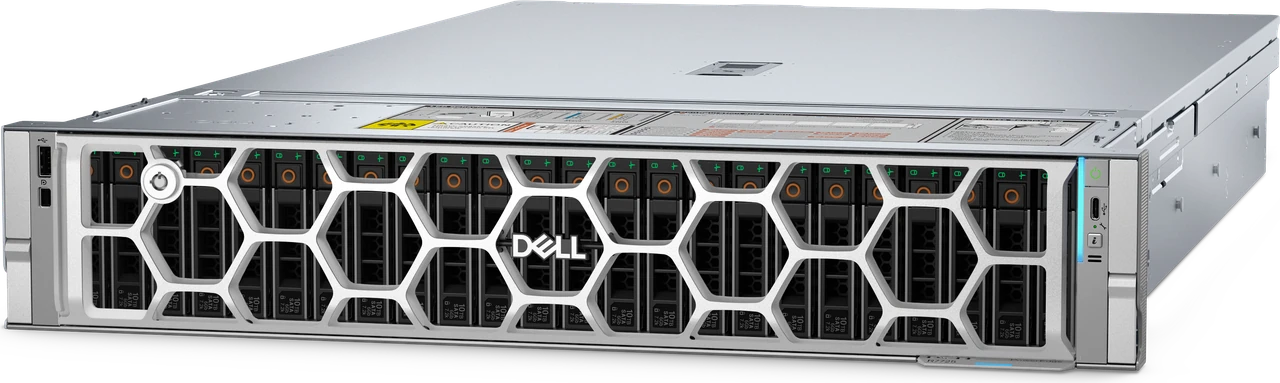
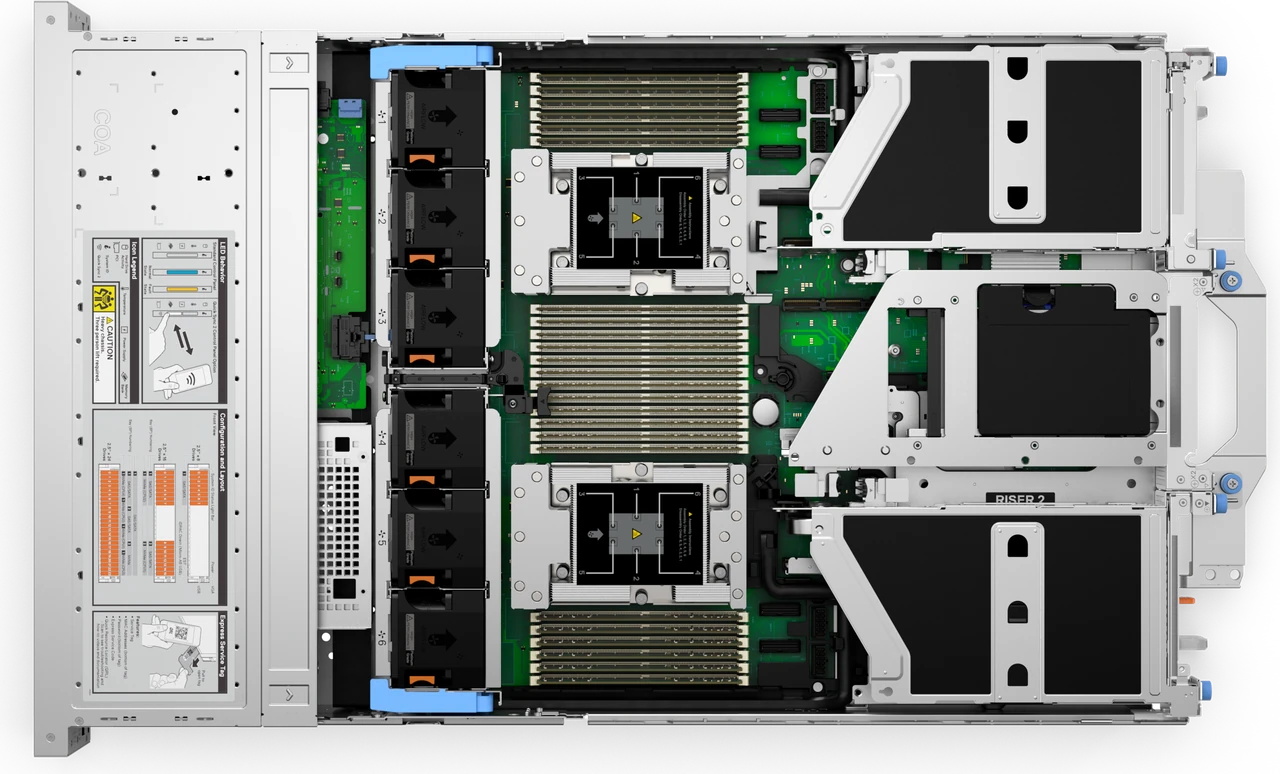
Aging equipment can slow your team down, interrupt service and leave systems exposed when security updates end. Replacing it can be expensive, and making the new equipment work with everything else adds another layer of complexity.
We bring custom engineered hardware bundles and digital operations management together in one affordable solution, sized around your applications, locations and budget.
When a customer portal, a spreadsheet and an internal application hold different versions of the same information, your staff becomes the connection between them. Re-entering records takes time and makes mistakes harder to catch.
We build applications and integrations that share information, automate repeated work and give customers and staff a clear way to get things done. AI is applied to specific tasks with defined checks and human oversight.
One submission connects the customer record, the work queue and the reply.
A sale does not end at checkout. The payment must be recorded, inventory reserved, the order fulfilled and the customer kept informed. When those steps live in separate systems, staff spend their time tracing what happened.
We connect storefronts, payments, customer records, order management and fulfillment so your team can follow the complete transaction and handle the work that comes after it.
The storefront creates an order with the customer, delivery details and selected items.
Customer and order records are connected.The payment reference is attached to the order so finance and customer service can find the same transaction.
Payment reference added to the order.Available items are reserved against the order and sent to the fulfillment team, reducing the need to re-enter the sale.
Inventory and fulfillment records are updated.Shipment details return to the order and the customer receives an update. Staff can see what has shipped and what remains.
Tracking is available to the customer and staff.Customer service can see the purchase, payment and shipment together when answering a question or arranging a return.
One transaction history supports the next conversation.Systems need attention throughout their working life. Updates, permissions, backups and support cannot be left until something fails. And when a problem spans the network, an application and a security control, someone needs to investigate the whole chain.
DID manages the equipment and services within your agreed scope, coordinates the response to problems and plans the maintenance and replacements that keep the business running.
Monitoring connects equipment and application events so the team can investigate the service the business is actually losing.
Updates, maintenance windows and replacement plans account for your working hours and the services that depend on each system.
Access reviews, security controls and incident response cover the people, devices and applications within the agreed environment.
Backups and recovery procedures are checked against the applications and data the business needs to resume work.
A new location, a new product and a growing operation each change more than one system. We coordinate the equipment, software and people needed to bring the whole project into service.
The connection, equipment and applications need to work together before your staff and customers arrive.
Connectivity, power, equipment and opening dates are considered together, so the installation is based on what the location can support.
Hardware and application settings are prepared around the site’s workloads and the systems used by the wider business.
The network and equipment are installed, shared applications are connected and staff access is established.
Transactions, access and the applications staff use are tested together, with outstanding issues addressed before opening.
Monitoring and support continue after opening, with the equipment, connections and applications covered by the agreed service.
A useful product connects the customer experience to the records, transactions and staff behind it.
The work starts with what a customer needs to accomplish and what your team must do when that action is taken.
The product’s data and transactions are connected to the business systems that need to receive and act on them.
Screens, integrations and customer journeys are built and tested together, including failures and the paths back from them.
Staff workflows, access and support information are prepared so the people behind the product can help its users.
Release, monitoring, maintenance and future changes are coordinated as the product begins serving customers.
More orders, locations or staff can expose limits in both the technology and the way work moves through the business.
Slow applications, overloaded infrastructure and repeated manual tasks are examined against the demand the business expects.
Compute, storage and connectivity are sized and expanded around the applications and locations that need them.
Routine transfers, approvals and follow-ups are connected so increased volume does not simply create more manual administration.
Reporting draws from the relevant systems, helping staff follow demand, outstanding work and the capacity available.
Performance, operating needs and future changes are reviewed as usage increases and new locations or services are added.
Your team should know what is being delivered, how the change will affect its work and who will help once the system is in use.
Your proposal sets out the scope, costs, responsibilities and schedule. We agree how readiness will be checked, so you can see what the engagement covers and which decisions still belong to you.
Installation, migration and testing are coordinated around the people using the result. Staff access, operating records and the support transition are part of bringing the system into use.
Monitoring, maintenance, security and recovery continue through the agreed service. Equipment support dates and replacement needs are considered before they become urgent problems.
The agreed scope sets the deliverables for your project. They cover both the working system and the information your team needs to own and operate it.
Bring us the location you are opening, the system slowing your team down or the technology you need to replace. We will help identify the equipment, software and operating support the work requires.
Discuss your requirements